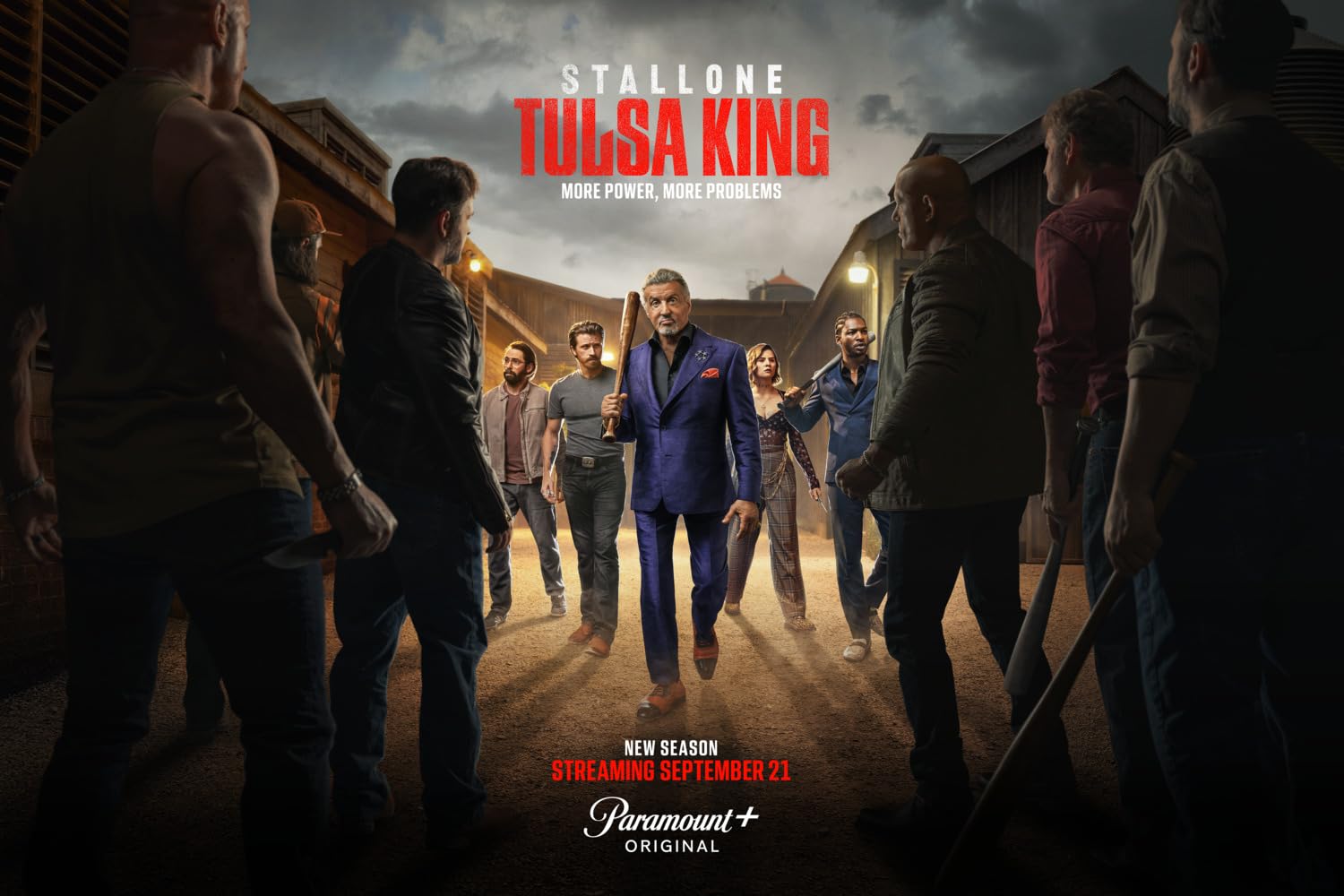
In most crime dramas, power is the destination. In Tulsa King, power is the problem.
Season 4 positions the series at its most reflective point yet, shifting the focus away from conquest and toward consequence. Dwight “The General” Manfredi has already done the impossible: he survived prison, rebuilt his authority in an unfamiliar city, and carved out a criminal empire where none existed before. The question now is no longer whether he can win—but whether winning still means anything.
From its earliest episodes, Tulsa King distinguished itself by framing its protagonist as a man out of time. Dwight’s release into a modern world was never played for novelty alone; it was a quiet tragedy unfolding in slow motion. Season 4 deepens that tragedy, revealing what happens when adaptation has limits—and when a man’s values become liabilities rather than strengths.

An Empire That No Longer Feels Secure
Tulsa is no longer a blank canvas. It is a city aware of its own value, and that awareness attracts attention. New criminal forces operate without nostalgia or restraint. They move quickly, think transactionally, and show no reverence for hierarchy. Against them, Dwight’s approach—measured, principled, personal—feels increasingly exposed.
Season 4 explores the tension between experience and relevance. Dwight knows how power works, but the rules have changed. Respect is fleeting. Fear is temporary. Control requires constant reinvention, and even then, it offers no guarantees.
The Loneliness of Authority
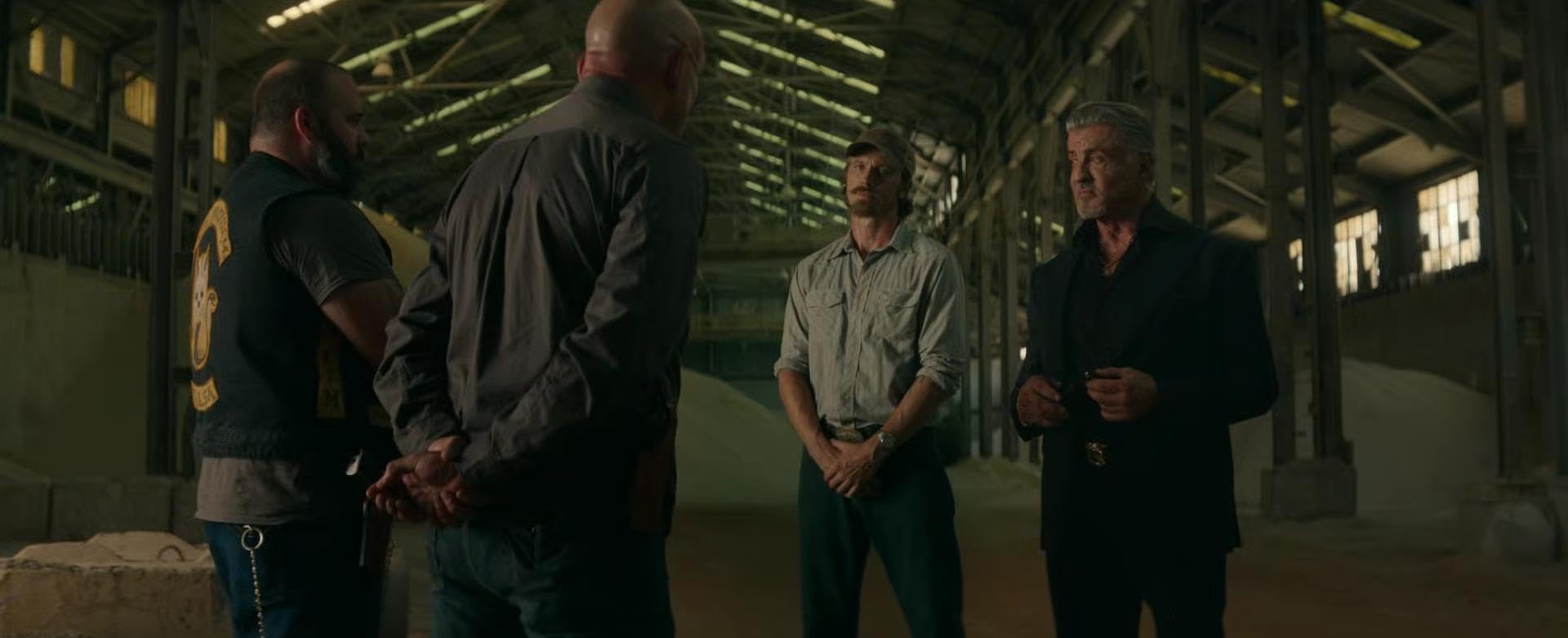
One of the season’s most striking achievements is its portrayal of leadership as isolation. Dwight stands at the center of every decision, yet grows further removed from the people around him. Conversations shorten. Trust becomes strategic. Loyalty is weighed rather than assumed.
The show resists easy betrayals or melodrama. Instead, it allows distance to do the work. Small doubts accumulate. Silences linger. The audience watches as power narrows Dwight’s world instead of expanding it.
Violence as Consequence, Not Spectacle
Season 4 continues Tulsa King’s restrained approach to violence. Confrontations are not staged as triumphs but as inevitabilities—outcomes of choices already made. Each act carries a cost that cannot be undone, reinforcing the sense that Dwight is running out of clean options.
This refusal to romanticize brutality gives the season its weight. Violence does not solve problems; it simply delays their arrival.

Family and the Limits of Control
Where Dwight’s authority falters most clearly is at home. The closer his criminal life comes to his personal one, the less effective his instincts become. Strategy offers no protection here. Influence has no reach.
Season 4 frames family not as motivation, but as reckoning. Dwight is forced to confront the reality that the life he chose may be incompatible with the life he wants to preserve.
Stallone’s Most Restrained Performance
Sylvester Stallone delivers a performance built on subtraction rather than display. His Dwight is quieter, slower, and heavier with unspoken thought. The character’s strength now lies in endurance rather than dominance, and the actor allows moments of stillness to speak louder than action.

What Season 4 Ultimately Asks
Tulsa King – Season 4 is not about the fall of a king. It is about the narrowing of possibility. About what remains when power no longer feels like progress, and escape no longer feels realistic.
In the end, the season poses a question that lingers well beyond the screen:
What does it cost to become the person who never learned how to leave?
And for Dwight Manfredi, the answer may be heavier than the crown itself.